
the opportunity
The Case for Rapid Tooling.
Tooling supply chains are constrained by escalating raw material costs, changing trade policies, and a shrinking toolmaking workforce. Often times, months go by waiting for composite layup molds, thermoforming tools, and production fixtures before a single part is produced. As manufacturing leaders look to compress production timelines, industrial 3D printed tooling has emerged as a viable alternative to legacy mold and fixture fabrication. LFAM has proven to be a viable alternative, adding value by creating:

Shorter Lead Times

Lower Material and Labor Requirements
Agile Design Revisions

Repeatable Production Workflows

3D Printed Tooling Applications.
Large Format 3D Printing (LFAM) supports tooling across forming, molding, casting, assembly, and fixturing
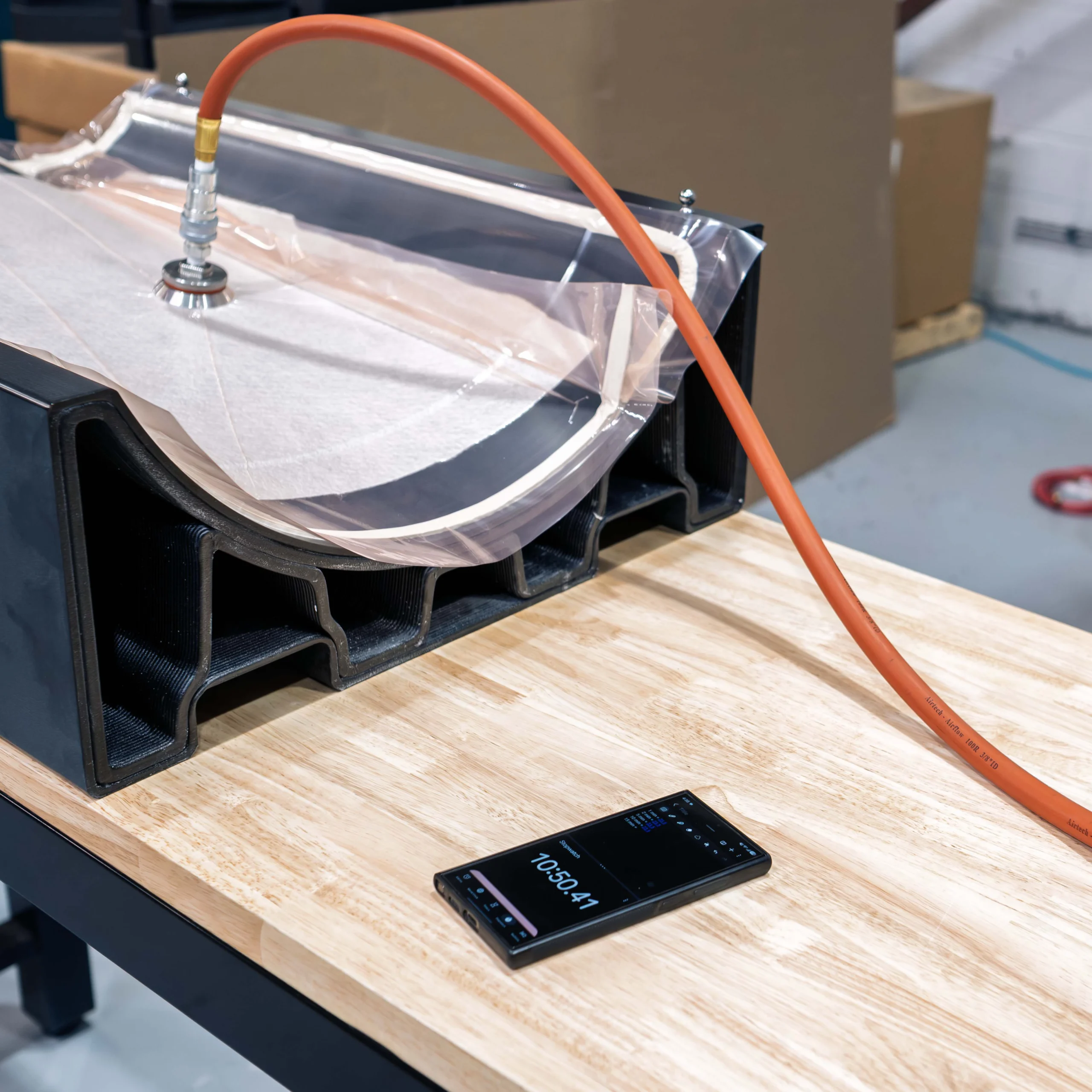
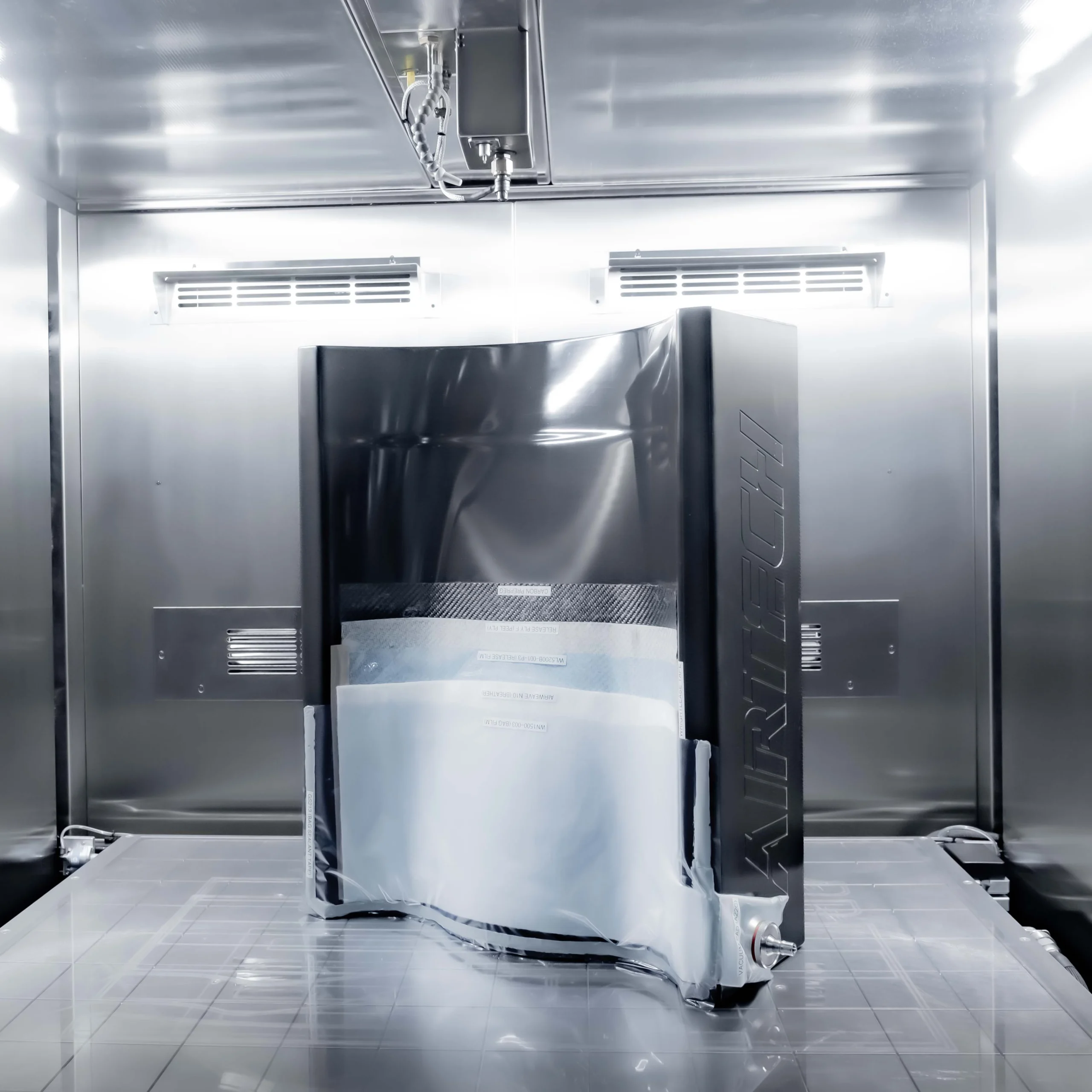
Ambient|Oven-Cure
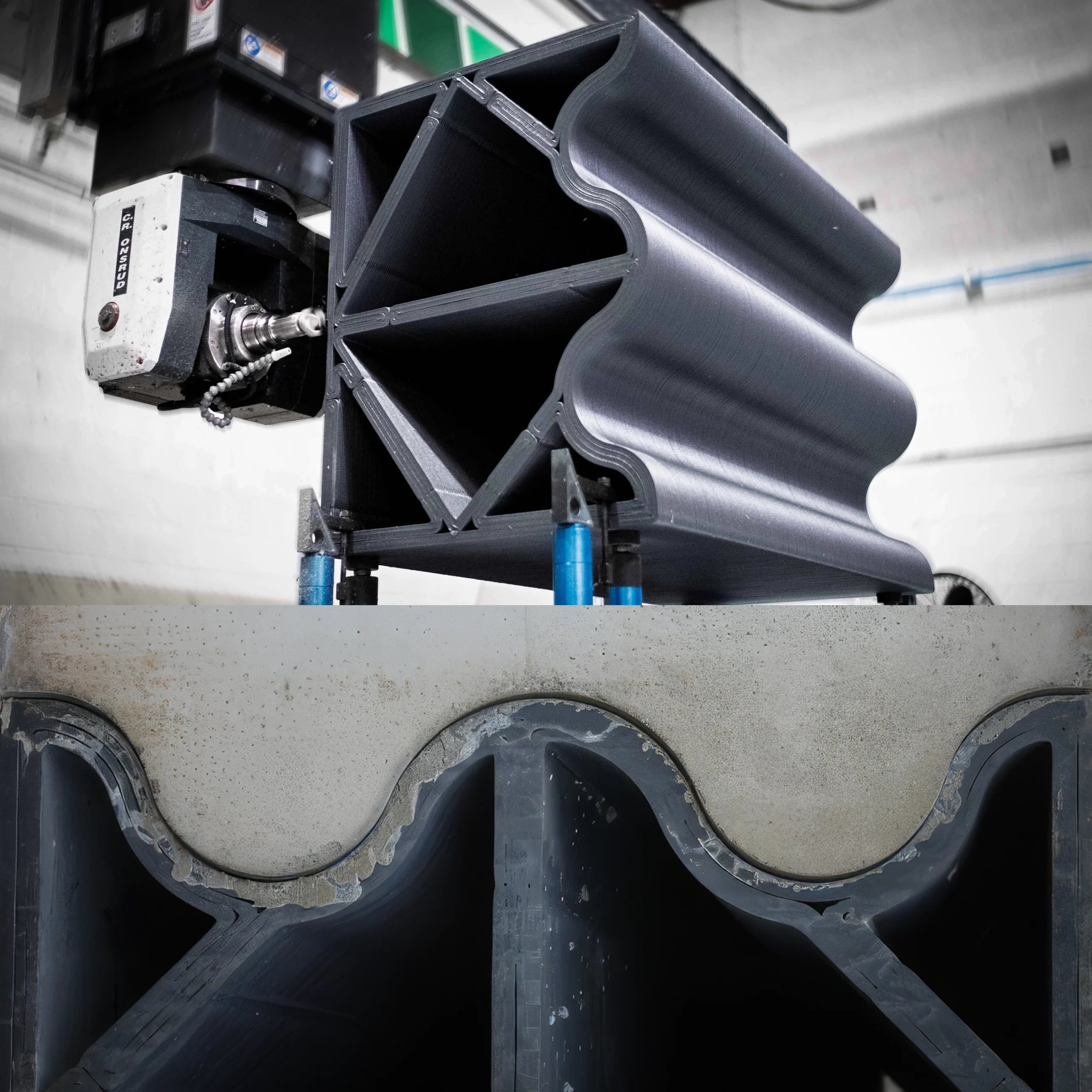
Composite Layup Molds
Produce molds for ambient-temperature and oven formed composite layup, including large aerospace and industrial structures.

When to Consider
Traditional vs. 3D Printed Tooling
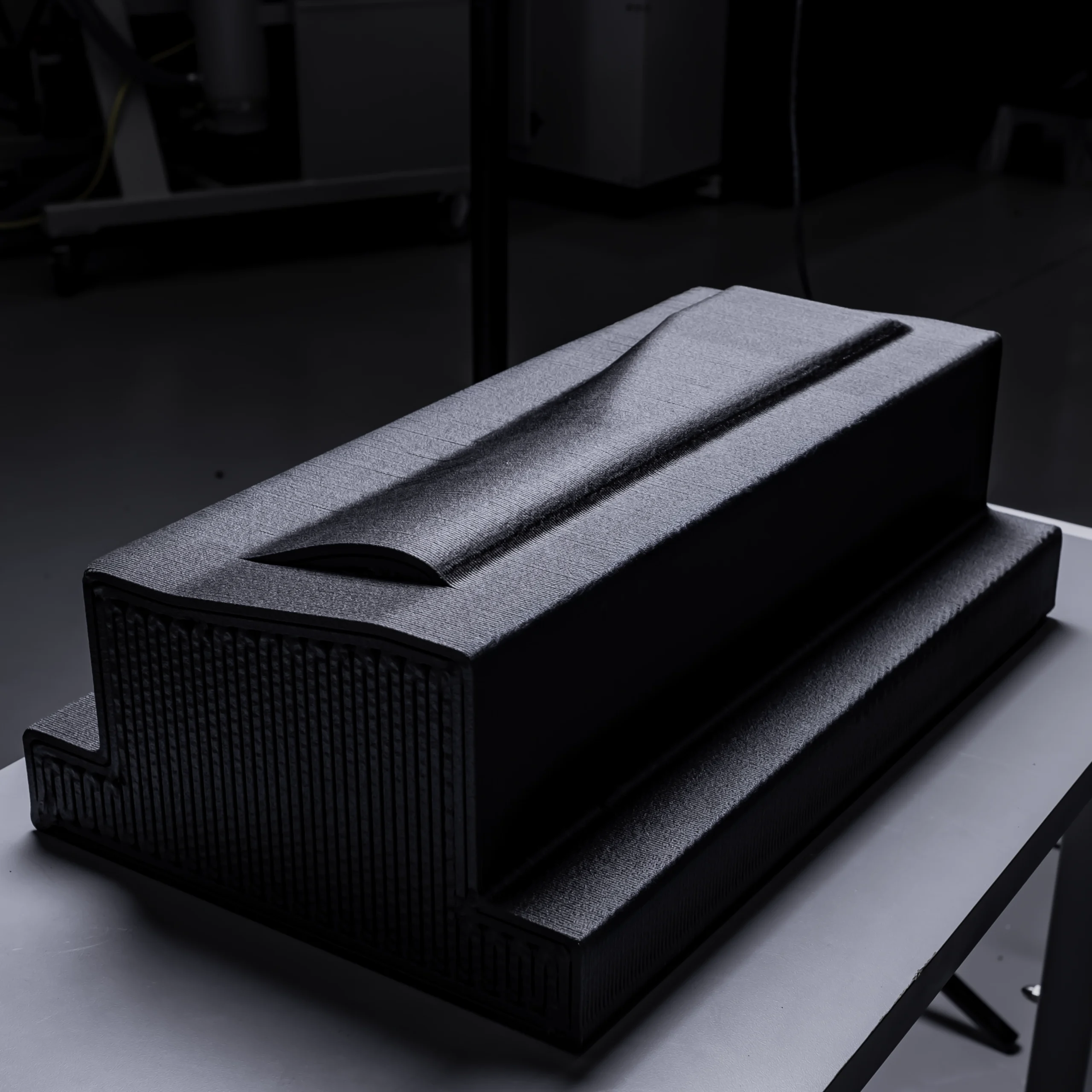
3D printed tooling is most effective when cost, lead time, or design challenge conventional fabrication techniques. The application must be evaluated against its operating environment and performance requirements.
Optimal 3D PRinted Tooling Conditions
-
Large or Geometrically Complex Tools
-

Rapid Tooling Iterations
-

Low-volume Production Tools
-

Reverse-Engineered Legacy Tools
Material & Process for
3D Printed Tooling
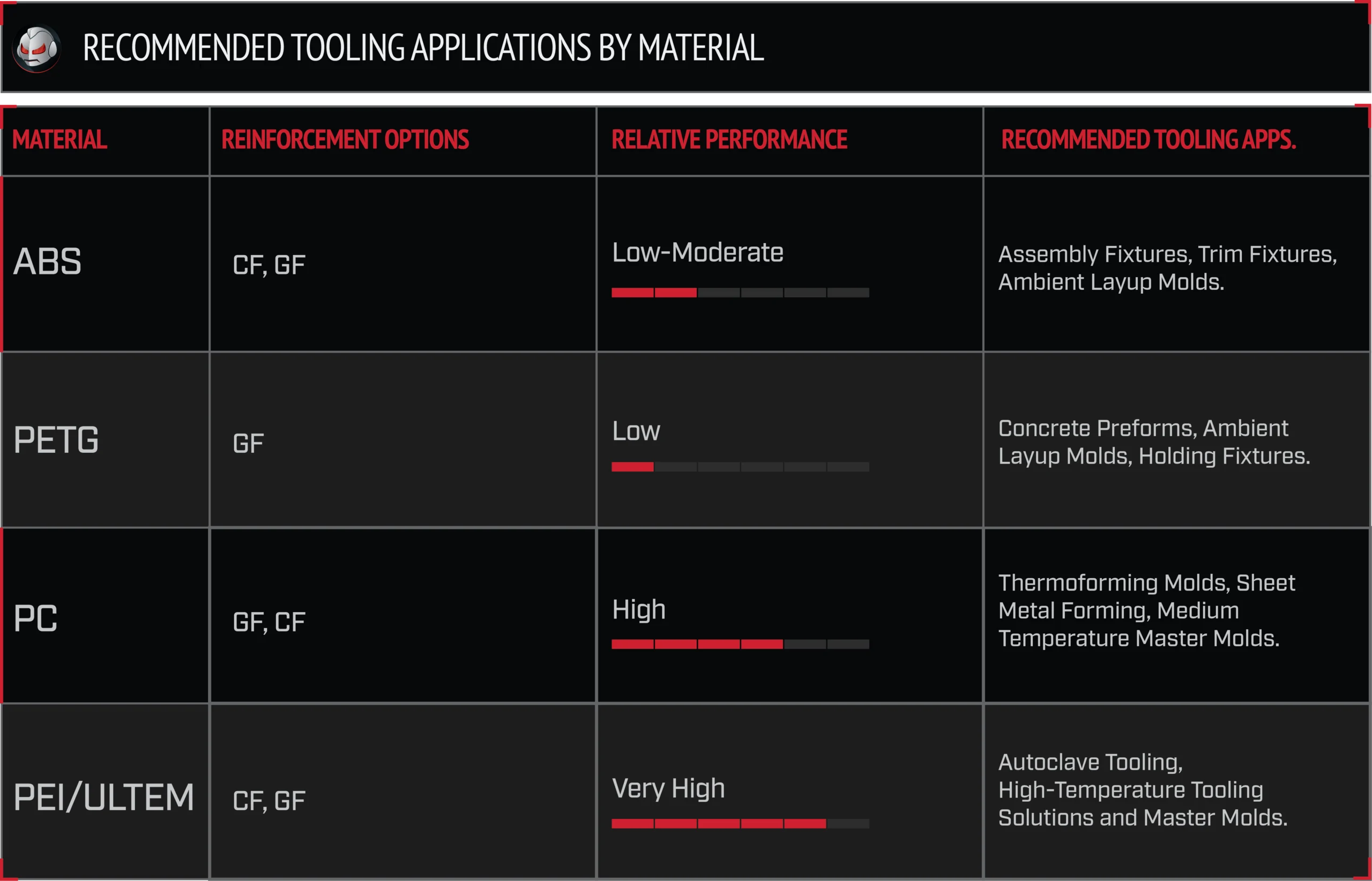
Performance temperature, pressure, dimensional stability, surface requirements, production volume, and expected tool life are all influenced by material selection.
Consideration: Final material selection depends on the complete thermal and mechanical requirements of the given application.
Assess your material's printability with
Material Testing & Assessment
Collaborating to move forward
Industrial LFAM Systems
Bring large-format additive manufacturing in-house with industrial equipment configured around your material, application, and production requirements.
Advanced Manufacturing Services
Evaluate materials, process requirements, part performance, and manufacturing feasibility before committing to equipment or internal capacity.

Applications, materials, and Design
Fundamentals of 3D Printed Tooling